Mastering Fundamental Swimming Strokes for Strength, Speed, And Endurance Development

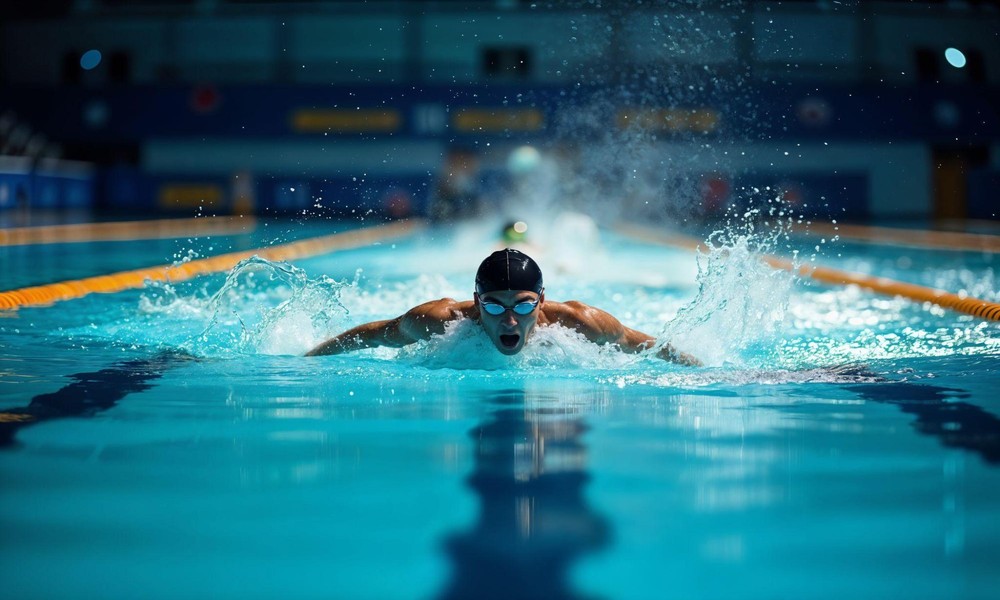
Water is an extraordinary method of molding strength and stimulating calm attention by continuous movement. The swimming habit develops an association between the regulation of breath and the movement of the body, which enhances the stamina of the body with time. Every stroke pattern has its rhythm that trains the muscles and enhances coordination. The moderate routine in water assists in the building of control without imposing stress to the joints. Practice also enhances lung capacity which enables the performance to be extended. This method forms a gradual course to greater physical strength and a relaxed state of mind which is natural and sustainable.
Core Techniques Behind Efficient Stroke Performance
Every movement begins with proper body alignment, which reduces resistance in water. Smooth arm motion combined with controlled kicks improves forward flow.
How Breathing Patterns Influence Overall Proficiency?
Breath timing plays a key role in maintaining balance during motion. Coordinated breathing allows the body to stay relaxed while moving forward. This technique prevents fatigue while improving endurance gradually.
Importance of Body Position and Alignment Control
Maintaining a level position helps reduce effort while improving speed. Small adjustments in posture can lead to better movement productivity. Balanced placement supports longer sessions without unnecessary effort.
Key Practices That Improve Stroke Development
Certain habits enhance control while building strength over time. These methods help refine motion and create better consistency.
- Controlled breathing supports rhythm while maintaining relaxed motion
- Focus on alignment to improve direction without extra effort
- Repeated practice strengthens muscle memory with steady progress
- Awareness of timing helps maintain balance throughout movement
- Regular swimming sessions build endurance with gradual improvement
Can Consistent Practice Build Long Term Endurance?
Regular sessions support gradual improvement in stamina while building strength. Concentrated short practice is more effective than the haphazard practice. In the long run, this uniformity enhances the confidence and physical capability.
Balancing Speed and Strength Through Structured Training
A steady mix of technique and effort helps develop both speed and control. Slowdevelopment prevents strain while maintaining improvement. Balanced routines allow the body to familiarize naturally to increased performance demands.
FAQ Section
- How often should training sessions be done?Three to five sessions each week support steady progress.
- Which stroke is easiest to start with?Freestyle is simple and helps build basic coordination.
- Does it improve full-body strength?Yes, it engages multiple muscle groups effectively.
- Is breathing control important during practice?Yes, it helps maintain rhythm and reduces fatigue.
- Can beginners build endurance quickly?Reliability leads to gradual and lasting improvement.
Steady Progress
Building strength in water depends on steady effort that aligns movement with breath in a controlled way. Consistent practice supports gradual growth in stamina while allowing the body to adapt without pressure. Balanced routines help maintain energy while improving coordination through repeated motion. Focused techniques guide smoother flow, which leads to better performance over time. Regular routines form permanent outcomes that are innate in everyday life. This will aid physical strength as well as mental clarity without making the progress too slow or too fast to achieve without excessive effort.