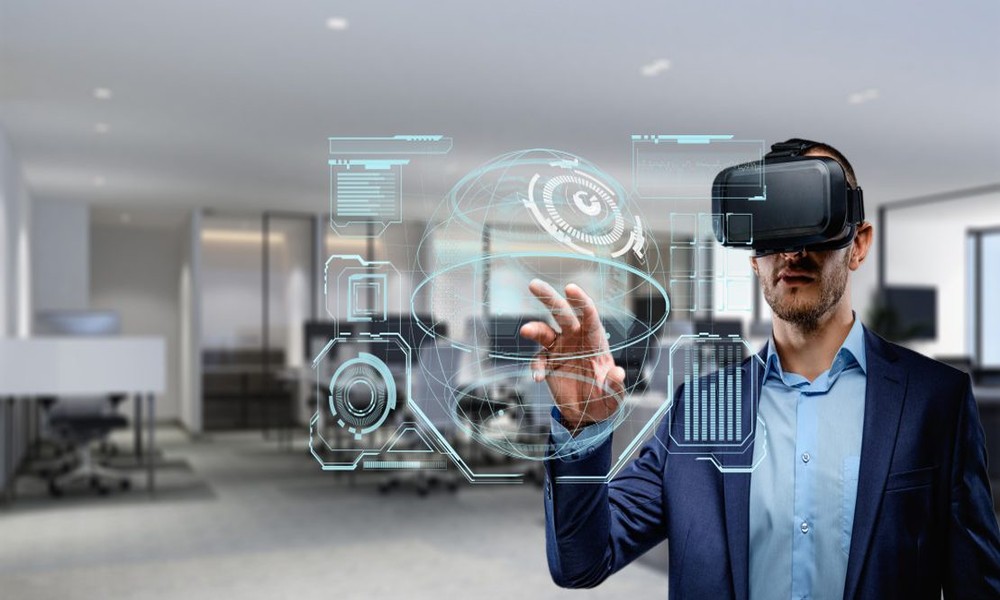
In today’s digital age, the convergence of Augmented Reality (AR) and Data Analytics is redefining how we interact with information. From retail and healthcare to urban planning and education, these two technologies, when combined, offer immersive, actionable insights that are both real-time and context-aware. Picture walking into a manufacturing plant and visualising real-time equipment performance stats floating above machines through AR glasses, or using an AR-enabled dashboard to manipulate customer data in a virtual retail space. These interactive 3D environments transform complex data into intuitive visual stories.
Understanding this innovation requires a foundational grasp of how AR enhances human-computer interaction and how analytics adds intelligence to those interactions. A Data Analyst Course today is no longer confined to dashboards and spreadsheets-it is expanding to include tools that incorporate immersive visualisation. By combining AR’s visualisation capabilities with the analytical power of data science, organisations can make smarter, faster decisions grounded in a deeper understanding of context.
The Fusion of AR and Data Analytics: Why It Matters
Augmented Reality overlays digital content onto the physical world, creating a composite view that enhances user perception. When coupled with Data Analytics, which involves extracting insights from raw data using statistical tools and machine learning models, the result is a powerful tool that brings data to life-literally.
Traditionally, analytics reports are presented in 2D dashboards. While informative, they often fall short when conveying spatial, real-time, or layered information. For example, a heat map might show consumer density in a retail store, but an AR interface can project that data directly onto the store floor. Analysts or decision-makers can walk through the space and see zones of high engagement highlighted in different colours in real-time.
In logistics and supply chain environments, data visualisation in 3D via AR can enhance route planning, inventory tracking, and process optimisation. Medical professionals can benefit from AR-enhanced data visualisation when performing surgeries, as critical patient data appears within their field of view without the need to look away from the operating field.
Key Applications of AR + Data Analytics
1. Retail and Customer Experience
Retailers are using AR to project customer purchase patterns and predictive analytics in their stores. Imagine pointing a smartphone at a product to see not just its price, but customer sentiment, inventory status, and future demand predictions. These insights, powered by analytics, are visually embedded through AR.
2. Manufacturing and Maintenance
Technicians can use AR glasses to view machinery while simultaneously receiving performance analytics, error codes, and repair instructions. This minimises downtime and enables predictive maintenance, a core function of modern data-driven operations.
3. Healthcare and Surgery
In healthcare, AR paired with data analytics is transforming diagnostics and treatment. During surgery, patient vitals and procedural checklists appear in the surgeon’s view, helping to reduce risk. Analytics also provide insights into likely complications, enhancing decision-making during critical moments.
4. Urban Planning and Smart Cities
AR helps urban planners visualise data layers-such as traffic, population density, and energy usage-within city spaces in real-time. By using 3D models, analysts can simulate infrastructure changes and their impact, allowing for data-informed decisions.
5. Education and Training
AR transforms traditional learning into an interactive experience. When integrated with analytics, instructors can track student engagement, response times, and learning styles to adapt content delivery. This is becoming an essential component of upskilling platforms offering a Data Analyst Course to enhance real-world applicability.
Benefits of Integrating AR with Data Analytics
The merger of AR and analytics delivers several advantages:
- Enhanced Engagement: Visualising data in 3D environments grabs attention and improves understanding.
- Real-Time Decision Making: AR supports immediate access to updated analytics in context.
- Improved Collaboration: Teams can interact with the same virtual datasets in a shared space.
- Better Pattern Recognition: Seeing data in spatial formats helps detect trends and anomalies that might be missed on 2D screens.
- Contextual Relevance: AR provides information precisely when and where it’s needed, increasing operational efficiency.
These benefits are transforming business intelligence across sectors. As organisations invest in immersive technology, data professionals must adapt. A modern Data Analyst Course often includes modules on AR interfaces, geospatial data, and 3D visualisation tools like Unity, ARKit, and Microsoft HoloLens.
Challenges and Considerations
While the integration of AR and data analytics holds immense promise, it comes with challenges:
- Data Overload: Projecting too much data through AR can overwhelm users rather than assist them.
- Privacy and Security: Displaying personal or sensitive data in shared physical spaces raises ethical concerns.
- Hardware Limitations: AR headsets and smart glasses are still expensive and may require powerful processors to handle real-time data rendering.
- Integration Complexity: Combining data pipelines with AR visualisation systems demands advanced programming and cross-disciplinary skills.
Nevertheless, as devices become more powerful and affordable, these barriers are likely to diminish. Forward-thinking organisations are already piloting AR analytics integrations to gain a competitive advantage.
Industry Examples of AR + Analytics in Action
- Volkswagen uses AR for predictive maintenance by projecting analytics from IoT sensors directly onto vehicle components during inspection.
- IKEA integrates AR into their mobile apps, allowing customers to view how furniture fits in their home while accessing reviews and ratings through data overlays.
- General Electric (GE) uses AR goggles for field engineers to visualise equipment data, boosting repair speed and safety.
These examples demonstrate how combining immersive interfaces with smart data can reshape industries.
The Future of AR and Data Analytics
As artificial intelligence continues to evolve, the synergy between AR and data analytics will become even more intelligent. Predictive modelling, spatial computing, and real-time environmental sensing will work together to deliver insights before users even request them. It won’t just be about seeing data-it will be about interacting with it in ways that feel natural, intuitive, and transformative.
For professionals seeking to enter this exciting intersection, mastering traditional data skills is no longer sufficient. Understanding how analytics can be translated into visual, spatial formats is the next big leap. Enrolling in a Data Analytics Course in Chennai that includes AR technologies can position learners at the forefront of this shift.
Conclusion
The convergence of Augmented Reality and Data Analytics is revolutionising how we see, interact with, and make decisions based on data. No longer confined to 2D dashboards or static reports, data is becoming immersive, dynamic, and context-aware. As industries from retail to healthcare embrace this transformation, the need for skilled professionals who can harness both technologies will only grow.
Whether you’re an analyst, developer, or business leader, now is the time to explore how interactive 3D visuals can elevate your data strategy. To gain these cutting-edge capabilities, enrolling in a Data Analytics Course in Chennai can be your launchpad. With hands-on experience in visualisation tools and exposure to AR interfaces, such programs prepare you for the next wave of data innovation. The future of analytics is not only intelligent-it’s immersive.
BUSINESS DETAILS:
NAME: ExcelR- Data Science, Data Analyst, Business Analyst Course Training Chennai
ADDRESS: 857, Poonamallee High Rd, Kilpauk, Chennai, Tamil Nadu 600010
Phone: 8591364838
Email- enquiry@excelr.com
WORKING HOURS: MON-SAT [10AM-7PM]