Key Takeaways
- Classroom layout guides how children move, interact, and settle across daily routines
- Clear visual cues help children understand expectations and stay emotionally steady
- Child-sized furniture and organised materials reduce restlessness and interruptions
- Sound and lighting choices shape focus, energy levels, and smooth transitions
Introduction
A classroom speaks before lessons begin, often shaping behaviour without a single word being spoken. Layout, colour, sound, and space guide how children move, react, and settle throughout the day. Parents weighing options for a kindergarten school usually look at timetables and programmes first, yet the physical setup influences attention, comfort, and emotional balance just as clearly. Order brings reassurance and predictability. Poor layout creates friction and hesitation. Behaviour tends to follow whichever message the room sends first, which makes classroom design a daily influence rather than a background detail.
How Classroom Design Influences Behaviour
Layout, Flow, and Daily Movement
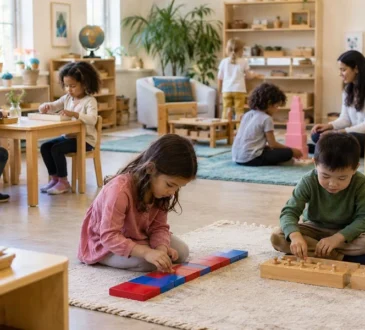
Movement begins at the doorway and continues across every transition. Clear paths show children where to walk without stopping or crowding. Defined areas explain where play happens, where group work takes place, and where calm behaviour is expected. Open space reduces bumping, waiting, and wandering, which helps children stay regulated.
Classrooms at Lavender preschool are arranged to keep movement smooth during activity changes. Children shift between tasks with fewer pauses, fewer collisions, and less noise. When families compare spaces within a kindergarten school, calmer transitions usually stand out quickly because children move with purpose instead of hesitation.
Visual Cues and Emotional Regulation
Walls carry information beyond decoration. Labels show where items belong. Colour patterns separate activity zones. Visual schedules explain what comes next without repeated verbal reminders. Clear cues remove guesswork, which helps children feel more secure.
Across classrooms at Lavender preschool, simple visuals repeat daily routines in the same way each day. Children learn where to go and what to do by looking around rather than waiting for instructions. Emotional steadiness improves inside any kindergarten school setting when expectations stay visible and consistent.
Furniture, Materials, and Focus
Child-Sized Furniture and Comfort
Furniture affects posture, patience, and focus. Chairs that fit reduce constant shifting. Tables at the right height keep hands busy instead of searching for balance. Shelves placed at child level allow easy access without climbing or asking for help.
Flexible seating allows children to adjust position as tasks change within Lavender preschool. Comfort helps children remain attentive during longer activities. Parents touring a kindergarten school often notice how suitable furniture reduces restlessness and keeps children involved without frequent redirection.
Material Access and Behaviour Choices
Placement shapes behaviour across the day. Materials within reach invite independent choices and purposeful use. Clear shelves help children decide quickly and return items without reminders. Organisation reduces interruptions and keeps activities flowing.
Rooms with fewer, organised resources help children stay with an activity from start to finish. Defined storage creates natural endings, which supports calmer transitions and lowers frustration when moving on to the next task.
Sound, Lighting, and Classroom Mood
Managing Noise Levels
Sound fills space quickly in group settings. Soft furnishings absorb excess noise. Quiet corners offer relief during high-energy periods. Smaller group zones prevent voices from overlapping.
Room layout matters inside a kindergarten school because sound affects listening and focus. Thoughtful spacing limits echo and helps children follow instructions without repeated prompts or raised voices.
Lighting and Visual Comfort
Light influences energy and comfort across the day. Natural light supports alert play and group activities. Softer light suits reading, rest, and quieter tasks. Balanced lighting keeps eyes comfortable and moods steady.
Lighting also signals pace. Bright areas invite movement and interaction. Calm lighting encourages slower behaviour. Clear visual cues help children move between activities without confusion or sudden shifts in energy.
Conclusion
Behaviour develops through daily interaction with space, routine, and sensory input. Classroom environments guide focus, movement, and emotional responses long before correction becomes necessary. Parents benefit from observing how rooms function during real activities, not only what lesson plans promise. Check out MapleBear Lavender today to see how thoughtful classroom environments encourage steady behaviour and comfortable learning days.