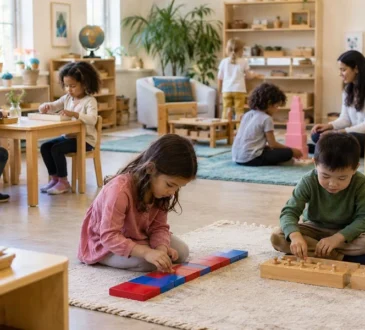
Choosing the right playgroup in Singapore can be a defining moment in the early years of a child. For many parents, it marks their little one’s first structured learning experience outside the home. While playgroups may seem centred on fun and games, they actually serve an important educational purpose, including preparing children socially, emotionally, and cognitively for preschool and beyond. Knowing the age group for a playgroup, what activities are involved, and what to expect from the experience helps parents make informed decisions that best support their child’s growth and confidence.
What Is the Age Group for a Playgroup?
The typical age group for a playgroup in Singapore ranges from 18 months to 3 years old. This period is critical for early development as toddlers begin exploring their environment, learning to communicate, and interacting with others. A well-structured playgroup environment nurtures these natural tendencies through guided play, songs, storytelling, and sensory activities. These experiences build the foundation for key learning areas, such as language acquisition, motor coordination, and emotional awareness.
Unlike preschools, playgroups focus less on academics and more on social and behavioural skills. The goal is to familiarise children with daily routines and help them develop independence, such as washing their hands or tidying up toys. The best programmes recognise that children learn best through play and exploration rather than formal instruction, allowing each child to grow at their own pace in a safe and encouraging setting.
What Happens in a Playgroup Setting
A playgroup in Singapore is designed to provide a balance of structured and free play. Activities often include music and movement, arts and crafts, storytelling, and outdoor exploration. These activities are carefully planned to stimulate creativity, improve coordination, and encourage self-expression. Teachers guide children through tasks while giving them the freedom to experiment and make their own choices, which is a key part of developing problem-solving skills.
Group activities such as circle time and collaborative play also teach young children to socialise. They learn to take turns, follow instructions, and communicate with peers. For many, this is their first exposure to group dynamics, helping them build confidence and adaptability. Over time, children in playgroups learn to express their needs clearly and understand the value of teamwork and empathy.
How Playgroup Prepares Children for Preschool
Enrolling your child in a playgroup in Singapore helps them transition smoothly into a more structured preschool environment. Since preschool introduces more academic and routine-based learning, the familiarity of playgroup routines reduces anxiety and boosts readiness. Children who have attended playgroups tend to adjust more easily to the demands of classroom learning, as they are already accustomed to group activities and following simple rules.
Additionally, playgroups encourage early literacy and numeracy through play-based learning. For instance, singing nursery rhymes enhances phonetic awareness, while simple counting games introduce mathematical concepts. These early exposures make the learning experience enjoyable and instil a sense of curiosity. Schools recognise this progression, offering programmes that bridge the transition from playgroup to preschool seamlessly.
What Parents Should Consider Before Enrolling
Before enrolling your child, it’s important to research the curriculum, teacher qualifications, and learning environment of the playgroup in Singapore you’re considering. Look for programmes that prioritise holistic development and a low teacher-to-child ratio, ensuring your child receives sufficient attention and guidance. The physical environment also matters, as classrooms should be safe, clean, and equipped with age-appropriate toys and learning materials.
Parents should also consider how a playgroup fits into their child’s personality and developmental stage. Some children may adapt quickly to group settings, while others may take time to feel comfortable. Attending trial sessions can help gauge readiness and ensure that the playgroup’s philosophy aligns with your expectations. It’s also helpful to speak to teachers about daily routines and communication methods so you remain involved in your child’s progress.
Conclusion
A playgroup in Singapore is a crucial stepping stone in their educational and emotional journey. Knowing the age group for a playgroup and what to expect helps parents choose an environment that nurtures confidence, independence, and curiosity. When chosen thoughtfully, a playgroup sets the tone for a positive attitude toward learning that lasts well into the preschool years and beyond.
Help your child take their first step towards confident learning. Contact Raffles Kidz International to enrol in a nurturing playgroup.