Student Storage in Schools: How Device Policies and Durability Are Shaping Locker Decisions

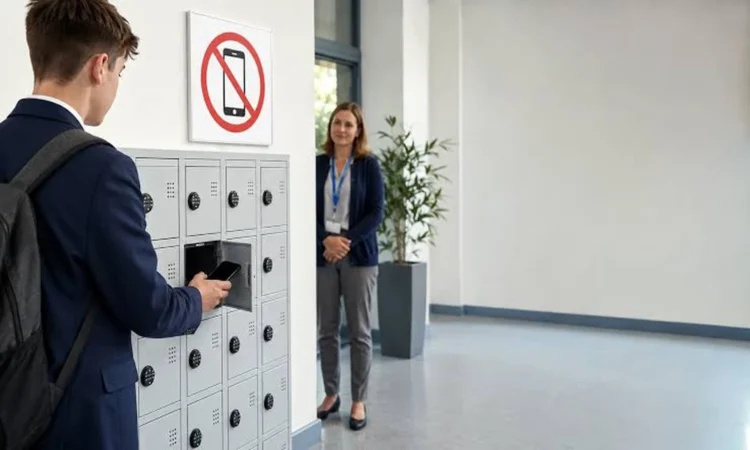
School lockers are taking on a new role as schools rethink how students store personal devices. Nearly all teenagers in the United States, about 95 percent, have access to a smartphone (Pew Research Center). As schools adopt policies on when and where phones can be used, the places students keep their belongings during the day are getting fresh attention.
Why are schools rethinking student storage?
Schools are rethinking student storage because device policies and safety concerns have changed how belongings move through the building. Students carry laptops, phones, chargers, and sports gear in addition to books. Secure, well-placed storage helps schools keep hallways clear and reduces lost or stolen items.
How common are school phone policies?
School phone policies are spreading worldwide. A global education report found that roughly one in four countries had laws or policies banning smartphones in schools (UNESCO). Many United States states and districts have adopted their own rules, often requiring phones to be stored away during instructional time.
Which locker features matter most for schools?
Durability and low maintenance matter most because school lockers face daily use for decades. Solid plastic lockers are offered in 10 designer colors, with color that runs through the material so the lockers will never require painting (ASI Storage Solutions). Schools can match school colors and avoid repainting cycles.
Why does color matter in schools?
Color matters because lockers are one of the most visible elements in a school hallway. School colors build identity, color coding can mark grade levels or wings, and lockers that never need repainting keep hallways looking fresh year after year.
How large is the student population that needs storage?
The student population that needs storage is large. Public schools in the United States serve roughly 49 million students (National Center for Education Statistics), and many secondary schools assign a locker to every student. Decisions about locker material and layout affect millions of students every school day.
Which locker types fit different school spaces?
Different school spaces call for different locker types:
- Hallway lockers for books, coats, and daily belongings
- Athletic lockers for uniforms and equipment
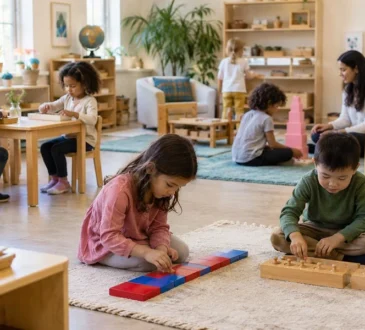
- Classroom lockers for elementary students and shared supplies
- Lockers with security boxes for devices and valuables
How can schools reduce locker vandalism?
Schools can reduce locker vandalism by choosing materials that resist graffiti and scratching and by placing lockers in well-supervised areas. High-density polyethylene resists graffiti and common cleaning agents, so marks can be cleaned off without damaging the surface.
How does placement affect supervision?
Placement affects supervision because lockers in open, well-lit hallways are easier for staff to monitor. Avoiding blind corners and dead-end alcoves reduces opportunities for theft and damage.
How should districts plan locker replacements?
Districts should plan locker replacements alongside other hallway and classroom upgrades. Coordinating with lighting, flooring, and paint projects reduces disruption and lets schools refresh entire corridors at once. Reviewing maintenance records helps identify which buildings need new lockers first.
How do lockers support school safety plans?
Lockers support school safety plans by keeping bags and belongings out of classrooms and hallways where they can block paths or conceal items. Clear corridors make evacuations faster and give staff better sightlines during passing periods. Many districts review locker layouts as part of broader safety and supervision assessments.
Should elementary schools use lockers or cubbies?
Elementary schools often use lower lockers or open cubbies placed in or near classrooms, where younger students can reach their belongings easily and teachers can supervise. Secondary schools typically shift to hallway lockers as students move between classes throughout the day.
What is the takeaway for school leaders?
Student storage is part of how schools manage devices, safety, and school culture. Durable, colorful lockers that never need painting give students a secure place for their belongings and give districts a long-lasting asset in every hallway.